Low blood pressure readings explained including for women, in pregnancy and the low blood pressure chart

Low blood pressure is predictably the opposite of high blood pressure. Unlike causes of high blood pressure that are yet to be fully understood and a diagnosis which can be secured without symptoms, low blood pressure symptoms play an important role in arriving at a diagnosis. This however does not mean hypertension symptoms are not important in the case of high blood pressure. They play an important role in both diagnosis and treatment of hypertension.
There are a variety of hypotension causes. The common causes of low blood pressure include hypertension medications side effects, loss of blood or fluids amongst other possible causes. Low blood pressure essentially speaks to the inability of blood to flow at high enough pressure to service all the requirements including that of vital organs. These requirements include removal of toxic waste, supply of oxygen and and the nutrients through out the body. Continued abnormally low blood pressure will possibly result in organ damage such as kidney, heart, brain and even liver.
Low Blood Pressure Readings Explained
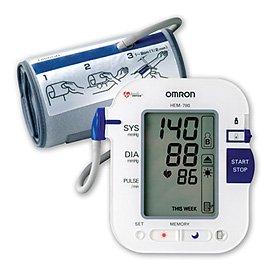
As noted earlier hypertension is often defined on the basis of readings provided by blood pressure equipment. On the other hand lower blood pressure readings though important are not enough by themselves in the absence of signs and symptoms of hypotension regardless of how accurate they maybe.
Signs and symptoms of low blood blood pressure are of paramount importance considering that some individuals may have even lower blood pressure readings than others yet healthy and showing absolutely no signs and symptoms of hypertension. The question that is however frequently asked is how low is too low. Generally speaking and alive of the forgoing statement some expects consider blood pressure readings of 90/60mm Hg as indicative of low blood pressure.
In the same way other individuals who would have a normal blood pressure of say 130/80mm Hg may develop low blood pressure symptoms at a drop to 100/60mm Hg. It has been observed that people who work-out and keep physically fit such as athletes and such others have generally lower blood pressure readings. This however being not the same as abnormally low blood pressure with signs and symptoms.
In explaining lower blood pressure readings, it's not always the case of simultaneous or combined fall in both systolic and diastolic blood pressures. Some people have lower than normal systolic blood pressure readings yet others have a low diastolic blood pressure reading. Lower blood pressure readings of the diastolic pressure are often found in isolated systolic hypertension patients who often happens to be elder members of society in the age range 60 years plus.
This is often because as high blood pressure treatment pushes down the systolic reading, it also drives down diastolic blood pressure into lower territory levels. If the diastolic reading goes further down below 70mm Hg complications may occur in some older people. This may include stroke, heart attack or heart failure.
Hypertension patients almost always follow lifestyle modifications which includes changing to a hypertension diet. Patients with abnormally lower blood pressure readings and with signs and symptoms of such are to avoid foods that lower blood pressure. A salty diet with lots of fluids even as basic as water is often recommended until low blood pressure returns to normal levels.
Most interestingly, patients with low diastolic blood pressure often find it a breeze to have it return to normal. This is because low diastolic blood pressure is much easier to control and restore compared to managing and controlling high systolic blood pressure.
Low Blood Pressure Readings Chart
The following chart illustrates low blood pressure ranges.
| Systolic Reading | Diastolic Reading | Alert |
| 90mm Hg | 60mm Hg | Borderline Low Blood Pressure |
| 60mm Hg | 40mm Hg | Too Low Blood Pressure |
| 50mm Hg | 33mm Hg | Dangerously Low Symptoms |
Low Blood Pressure Readings in Pregnancy
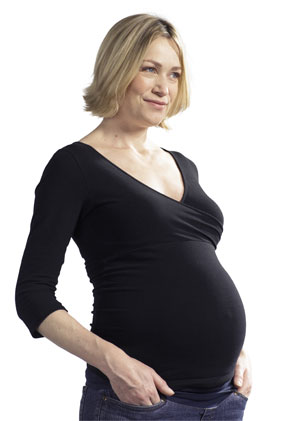
Generally, blood pressure often is elevated during pregnancy. Your health care provider would normally be on the look-out for readings past 140/90mm Hg going up. Readings of 110/70mm Hg and 120/80mm Hg are considered healthy even though this varies in pregnancy.
Some pregnant women have had low readings of 40/30mm Hg and 88/60mm Hg. Such low blood pressure readings can be accompanied by oedema which is excessive swelling in the face, neck and feet. This requires attention as well as the low blood pressure readings.
Low Blood Pressure Readings for women

Women have generally lower blood pressure readings than men. In younger women in their forties and below, blood pressure may fall to as low as below 90/60mm Hg as a direct result of pregnancy mentioned above, hot weather or crash dieting. Therefore strenuous dieting and daily activity can leave some women vulnerable to a sudden drop in blood pressure.
In young women low blood pressure readings are sometimes used as a sign of chronic fatigue syndrome. It does no go away even after resting and disrupts ability to carry out daily activities. In older women above forty, especially, symptoms of low blood pressure may point to the possibility of severe problems such as heart disease.
Blood pressure drops are even more pronounced for some individuals on high blood pressure medications or with heart problems.
Return to Causes of Hypotension from Low Blood Pressure Readings
Return to Blood Pressure Home Page from Low Blood Pressure Readings
Disclaimer
Information contained on this website is not meant to replace your doctor's advice.
(c) All Rights Reserved. 2010-2018


Jan 30, 18 03:06 PM
Jan 08, 18 05:25 AM

Jan 04, 18 01:52 PM